
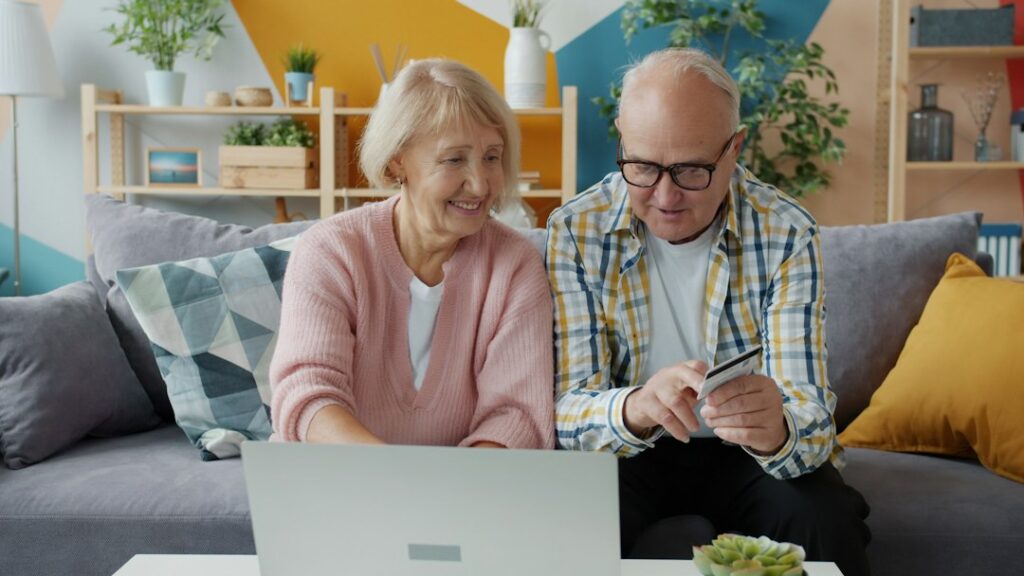
Technology can help assisted living residents stay connected, manage daily routines, and feel more secure. The most useful devices are not always the newest ones; they are the tools that are simple to operate, easy to charge, and suited to a person’s vision, hearing, memory, mobility, and comfort level.
Which technology is most useful for assisted living residents?
The best technology supports everyday needs without creating unnecessary confusion. A simple smartphone, tablet, voice assistant, or medical alert device may be more helpful than a complicated system with features a resident rarely uses.
Commonly useful tools include:
- Large-screen phones or tablets for calls, video visits, messages, and photos
- Digital calendars and reminders for meals, activities, medications, and appointments
- Emergency call buttons or wearable alert devices
- Video doorbells or approved room-monitoring tools for safety, when privacy rules are followed
- Hearing-compatible headphones or captioning features
- E-readers, audiobooks, games, music, and streaming services for recreation
- Electronic payment alerts and account notifications for trusted family members
Residents in Freeland may also find technology helpful during winter weather, when travel is difficult or family visits are delayed. Video calls, online services, and digital communication can help reduce isolation during periods of snow, ice, or cold temperatures.
How can a resident make a phone or tablet easier to use?
A device becomes easier to use when the screen, sound, and controls are adjusted to the individual. These changes often matter more than the device’s brand or price.
Helpful adjustments include:
- Increase the text size and screen contrast.
- Turn on bold text or a simplified display mode.
- Raise the volume and select a clear ringtone.
- Use larger icons and remove apps that are rarely needed.
- Place important contacts on the home screen.
- Add a charging station in the same location every day.
- Use a protective case with a grip that is comfortable for the resident.
- Turn on voice-to-text for messages if typing is difficult.
- Use captions for videos and video calls.
- Set the screen to stay awake longer during reading or conversations.
A family member or staff member can label charging cords and create a short written guide with instructions such as “Tap the green phone icon to answer.” Instructions should use plain language and large print.
Can technology help with medication and appointment reminders?
Yes. Reminder technology can support routines, but it should not replace prescribed medication instructions, supervision, or a care plan. A reminder may signal that it is time to take a medication, while a qualified caregiver or resident remains responsible for confirming what should be taken and when.
Useful reminder options include:
- Calendar alerts with a spoken message
- A clock that displays the date, time, and scheduled activity
- Medication containers with approved reminder features
- Written checklists near a commonly used table or doorway
- Phone alarms labeled with the purpose of the reminder
- Video or telephone check-ins from an authorized family member
Too many alerts can become frustrating or easy to ignore. It is usually better to begin with a small number of clearly labeled reminders and adjust them based on the resident’s routine.
Residents should also ask how technology fits with assisted living policies. Some communities manage medication reminders through established care procedures, and personal devices may need to be coordinated with those routines.
What technology can improve safety?
Safety devices are most useful when they are worn, charged, and understood. A medical alert button may allow a resident to request help after a fall, sudden illness, or other urgent event. Some devices detect falls automatically, but automatic detection is not perfect and may not work in every situation.
Before relying on a safety device, confirm:
- How help is requested
- Whether the device works throughout the resident’s room and common areas
- How it is charged
- What happens if the battery is low
- Whether staff receive the alert directly
- Whether the device can be worn in the shower, if needed
- How accidental alerts are canceled
- Whether the resident can communicate through the device
Technology should not block access to ordinary assistance. A resident should still know how to use the room’s call system, telephone, or other approved emergency process.
Smart speakers and voice assistants can also provide hands-free help with calls, reminders, music, weather, and questions. Privacy settings should be reviewed carefully, especially in shared rooms or areas where private conversations may be overheard.
How can seniors avoid online scams?

Older adults are frequent targets for fraudulent calls, messages, emails, and social media accounts. A trustworthy message will not require a resident to act quickly, reveal a password, purchase gift cards, transfer money, or share a security code.
Warning signs include:
- A caller claiming to be a government official, bank employee, relative, or technician who demands immediate payment
- Messages saying an account will be closed unless the recipient clicks a link
- Requests for passwords, Social Security numbers, bank details, or one-time security codes
- Unexpected notices about prizes, inheritances, refunds, or package problems
- A caller who becomes threatening when the resident asks questions
- A person online who quickly develops a romantic relationship and asks for money
A safe response is to stop the conversation and verify the claim through a trusted phone number or known contact method. Do not use a number or link supplied in a suspicious message. Residents can also create a family safety phrase for unusual requests that appear to come from a relative.
Passwords should be unique, difficult to guess, and not written on or next to the device. If remembering multiple passwords is difficult, an approved password manager or assistance from a trusted person may be considered.
How should privacy be protected in assisted living?
Technology should support connection without exposing personal information. Residents and families should discuss privacy before using cameras, recording devices, location sharing, or video calls in shared spaces.
Practical safeguards include:
- Use a passcode or biometric lock on phones and tablets.
- Avoid displaying medical documents or financial information during video calls.
- Turn off location sharing unless it serves a clear safety purpose.
- Ask permission before photographing or recording other residents.
- Use headphones when discussing personal matters.
- Review which apps can access the microphone, camera, contacts, and location.
- Keep banking and health information off shared or public devices.
- Sign out of accounts when using a borrowed tablet or computer.
A resident’s right to privacy remains important even when technology is used for safety or care coordination. Any monitoring arrangement should be clearly understood by the resident and consistent with applicable facility policies and consent requirements.
What should families do when a resident struggles with technology?
Difficulty using a device does not mean a person cannot benefit from technology. The problem may be the screen size, hearing level, hand strength, memory load, or unclear instructions.
Family members can help by teaching one task at a time. For example, begin with answering a call before introducing video calls, online games, or account management. Practice at the same time of day and in the same location. Avoid taking over too quickly; allowing the resident to complete each step builds familiarity.
A short technology plan can identify:
- The device’s purpose
- The person who helps with setup
- How often it should be charged
- Which contacts may provide assistance
- What information must remain private
- What to do if the device is lost, damaged, or behaving unusually
Technology should make daily life more manageable, not add pressure. The right setup is one the resident can use confidently, with backup help available when needed.
