
Why social connection matters in later life
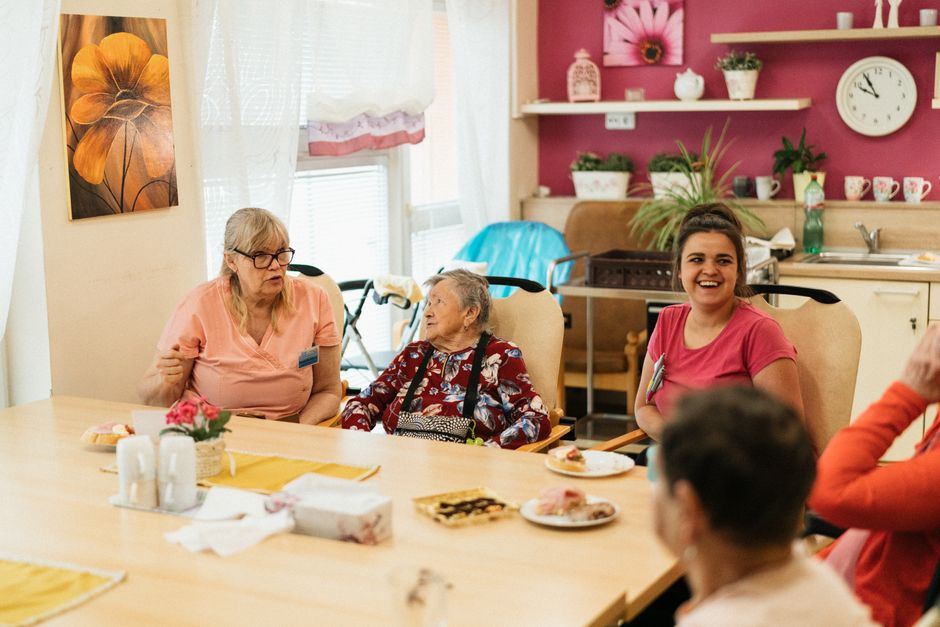
Assisted living can help reduce senior isolation by making regular human contact part of everyday life. Shared meals, familiar neighbors, group activities, and supportive staff can create opportunities for conversation and companionship without requiring an older adult to travel far or manage every social detail alone.
Social isolation means having limited contact or support from other people. Loneliness is the personal feeling of being alone or disconnected. They are related but not identical. A person may live alone and feel content, while another person may feel lonely even when surrounded by others.
Both concerns deserve attention. Long-term isolation and loneliness are associated with higher risks of depression, anxiety, cognitive decline, heart disease, and other health problems. Older adults may become more isolated after the loss of a spouse or friend, a decline in mobility, hearing or vision changes, chronic illness, or difficulty driving.
How does assisted living create more daily interaction?
The main benefit is consistency. In a private home, social contact may depend on family members visiting, neighbors stopping by, or transportation being available. Assisted living provides a setting where other residents and staff are present throughout the day.
Routine interactions may include:
- Greeting neighbors in hallways or common areas
- Eating breakfast or dinner with other residents
- Talking with staff during medication reminders or daily assistance
- Participating in exercise, crafts, games, music, or discussion groups
- Spending time in lounges, gardens, libraries, or other shared spaces
- Seeing familiar faces during ordinary daily activities
These brief conversations may appear small, but repeated contact can help a resident feel recognized and included. Familiarity also makes it easier for someone to notice when a neighbor seems unusually quiet, discouraged, or unwell.
Can assisted living help someone who is shy or reluctant to join activities?
Yes, but social connection usually develops gradually. A new resident may feel nervous, tired, grieving, or uncertain about meeting unfamiliar people. Moving from a long-time home into a new setting can be emotionally difficult, even when the move is beneficial for safety and daily support.
A resident does not need to attend every activity to benefit from community life. Smaller steps may be more comfortable, such as:
- Sitting near others during a meal
- Joining a familiar activity for 15 or 20 minutes
- Talking with one neighbor rather than entering a large group
- Asking a staff member to introduce them to someone with similar interests
- Choosing quiet activities, such as reading, puzzles, gardening, or listening to music
Personal choice matters. Social participation should not become another source of pressure. Some older adults prefer one-to-one conversation, while others enjoy larger gatherings. Hearing loss, speech difficulties, memory changes, and cultural or religious preferences may also affect how a person participates.
What role do shared meals and activities play?
Shared meals provide a dependable opportunity for contact. Eating alone every day can make routines feel empty, while a common dining area gives residents a natural reason to sit with others. Mealtimes can also help staff notice changes in appetite, mood, or participation.
Activities can provide more than entertainment. They may support identity, purpose, movement, memory, and conversation. A resident who enjoyed cooking, sewing, sports, gardening, cards, music, or local history may find it easier to connect through an activity related to a past interest.
The most useful programs are not necessarily the busiest ones. A well-matched activity may be more valuable than a crowded schedule. Some people connect through conversation, while others connect by doing something side by side.
How can assisted living help residents stay connected with family?
Assisted living does not replace family relationships. It can make those relationships easier to maintain by reducing the daily burden of meals, household tasks, transportation arrangements, and some personal care needs.
Family visits may be more relaxed when a relative is not trying to manage every practical task during the visit. Instead, time together can focus on conversation, shared hobbies, photographs, celebrations, or walks through accessible areas.
Regular phone and video calls may also help, particularly during periods of severe winter weather or when travel is difficult. A predictable schedule—such as a call every Sunday afternoon—can be reassuring. However, in-person visits and meaningful conversation remain important because technology may be difficult for someone with hearing, vision, memory, or dexterity challenges.
Does moving into assisted living always prevent loneliness?
No. Assisted living can reduce opportunities for isolation, but it cannot guarantee that every resident will feel connected. A person may still feel lonely after moving, especially during the adjustment period or after losing a close companion.
Warning signs may include:
- Spending most of the day alone in a room
- Skipping meals or activities that were previously enjoyable
- Losing interest in personal care or hobbies
- Appearing persistently sad, anxious, irritable, or withdrawn
- Complaining of boredom or saying that nobody understands them
- Sleeping much more or much less than usual
- Showing changes in appetite, communication, or memory
These signs may reflect loneliness, depression, pain, medication effects, hearing difficulty, illness, or another concern. They should not be dismissed as a normal part of aging. A health care professional may be needed when symptoms are persistent, severe, or connected with safety concerns.
What should families ask about social life before a move?
Families can learn a great deal by asking practical questions rather than relying only on a calendar of activities. Useful questions include:
- How are new residents introduced to neighbors?
- Are activities offered at different times of day?
- Are there quiet, small-group, and one-to-one options?
- Can residents continue favorite hobbies?
- How are hearing, vision, mobility, language, and memory needs accommodated?
- Can residents choose where to sit during meals?
- How are family visits, phone calls, and private conversations supported?
- What happens if a resident stops attending meals or activities?
It is also helpful to observe the atmosphere. Do residents greet one another? Are common areas comfortable and accessible? Do staff members know residents by name? A community may have many scheduled events but still feel impersonal if residents lack meaningful opportunities to form relationships.
What can help a resident adjust in Freeland, PA?
Seasonal conditions can affect social participation. Snow, ice, cold temperatures, and shorter winter days may make it harder for older adults to leave home or maintain outside routines. A setting with safe indoor common areas and regular activities can help preserve contact during periods when outdoor travel is limited.
Residents may also benefit from bringing familiar items, photographs, music, books, or hobbies into the new setting. Familiar objects can make conversations easier and help others learn about the person’s history and interests.
The goal is not constant activity. A healthy social routine may include a shared meal, a short conversation, a favorite hobby, a family call, and time alone to rest. Assisted living is most helpful when it supports both independence and connection, allowing each resident to decide how much social contact feels comfortable and meaningful.
