
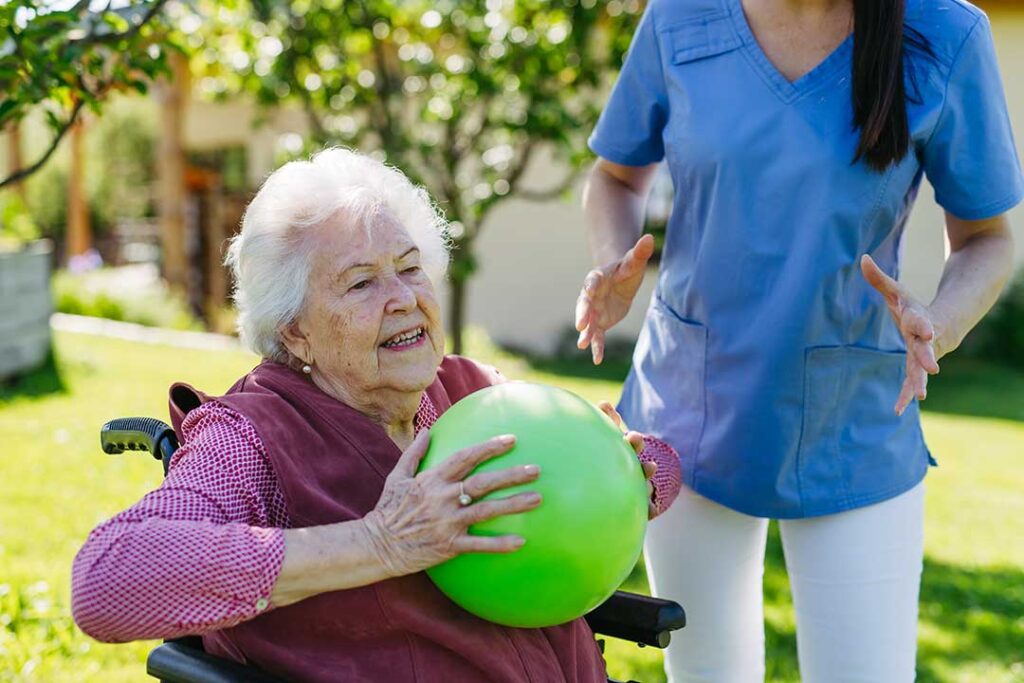
Falls are one of the most common safety concerns for older adults, but many can be prevented by addressing balance changes, medication effects, poor lighting, clutter, and unsafe footwear. In assisted living, fall prevention works best as an ongoing routine rather than a one-time room inspection.
Residents and families in Freeland, PA may also need to consider seasonal conditions. Snow, ice, wet entryways, darker winter afternoons, and tracked-in moisture can create hazards both indoors and outside.
Why are falls a serious concern in assisted living?
A fall can cause a fracture, head injury, loss of confidence, or a sudden decline in independence. Even when there is no obvious injury, a resident may begin avoiding activities, walking less, or staying in bed more often. That reduced movement can weaken muscles and increase future fall risk.
Falls do not always happen because someone is careless. Changes in vision, blood pressure, strength, balance, hearing, memory, sensation in the feet, or walking ability may contribute. A person who has recently become ill, started a new medicine, or had a change in mobility may need a revised safety plan.
A previous fall should be treated as useful information, not a reason for blame. The goal is to understand what happened and reduce the chance of a repeat event.
What room changes help prevent falls?
A clear walking path is one of the most effective safety improvements. Furniture, electrical cords, footstools, baskets, and personal belongings should not narrow the route between the bed, bathroom, chair, and doorway.
Helpful room-by-room practices include:
- Keep frequently used items within easy reach so residents do not climb, stretch, or bend suddenly.
- Remove loose rugs or secure them with appropriate nonslip backing.
- Use nightlights or motion-sensitive lighting between the bed and bathroom.
- Keep floors dry and promptly report leaks or spills.
- Make sure chairs and beds are stable and easy to rise from.
- Avoid low furniture that is difficult to sit down on or stand up from.
- Keep mobility aids nearby, rather than across the room.
- Use grab bars or other approved supports where they are appropriate and properly installed.
A rolling table, walker, or chair should not be used as a substitute for a stable support unless it is designed for that purpose. Items that move unexpectedly can cause a loss of balance.
How can residents stay safer in bathrooms?
Bathrooms deserve special attention because hard surfaces, water, tight spaces, and hurried movements often occur together. A resident may be more likely to fall while stepping into a shower, standing from a toilet, or getting up during the night.
Safer bathroom habits include using installed grab bars, keeping the floor dry, and sitting while dressing or drying when balance is uncertain. Nonslip bath surfaces can help, but loose mats may create a tripping hazard if they slide or curl.
Residents should avoid using towel bars, sink edges, or shower doors to pull themselves up. These fixtures may not support body weight. If a bathroom setup feels difficult to use, the concern should be reported so the care plan or room arrangement can be reviewed.
Do medications increase fall risk?
Some medicines can cause dizziness, sleepiness, blurred vision, confusion, or a sudden drop in blood pressure. These effects may be more noticeable after a new prescription, a dosage change, or a change in health.
Common medication categories that may contribute to falls include some sleep medicines, sedatives, certain blood pressure medicines, drugs that affect blood sugar, and medicines with anticholinergic effects. This does not mean a resident should stop taking a prescribed medicine. Stopping suddenly can be dangerous.
A medication review should include every prescription, over-the-counter medicine, vitamin, and supplement. Residents and families should report symptoms such as lightheadedness after standing, unusual drowsiness, weakness, or unsteadiness. The prescribing clinician or pharmacist can determine whether timing, dosage, or medication choice needs review.
What exercises help with balance?
Regular activity can improve leg strength, coordination, endurance, and confidence. Exercises should match the resident’s abilities and medical conditions. Helpful activities may include supervised walking, sit-to-stand practice, gentle leg strengthening, balance exercises, tai chi, or seated movement for people who cannot safely stand for long periods.
Exercise should not begin with difficult balance tasks performed alone. A resident who feels unsteady should use the recommended support and follow the instructions in the individual care plan. The purpose is to build safe movement, not to test how long someone can stand without help.
Staying active also helps prevent the weakness that may follow long periods of sitting. Short, regular movement throughout the day may be more manageable than one demanding session.
Why do vision, footwear, and hydration matter?
Poor vision can make it harder to notice a change in floor level, a small object, a wet surface, or an obstacle in dim light. Regular eye care and properly prescribed glasses can support safer walking. Residents should use the glasses intended for distance or close work rather than relying on an outdated pair.

Footwear should fit securely, have a firm heel, and provide traction. Loose slippers, backless shoes, smooth socks, and worn soles can increase instability. Shoes should be checked for discomfort or swelling that changes the way a person walks.
Dehydration may contribute to weakness, dizziness, and low blood pressure. Adequate fluid intake should follow the resident’s medical instructions, particularly when heart, kidney, or other conditions affect fluid limits. Skipping meals can also leave a person tired or unsteady.
How should seasonal conditions in Freeland be handled?
Cold weather can make outdoor walking more difficult. Snow and ice near entrances, wet floors from boots, bulky clothing, and reduced daylight all require additional attention. Residents should not feel pressured to walk outside when surfaces are slick.
During winter weather:
- Check that entrance areas are well lit and kept clear.
- Allow extra time when moving from a warm indoor area to a cold outdoor surface.
- Remove wet footwear promptly when indoors.
- Avoid carrying packages or bags that block the view of the walking path.
- Use handrails on steps and ramps.
- Consider indoor activity when outdoor routes are icy or poorly cleared.
Rainy conditions can create similar problems in entryways and hallways. A visible caution sign may alert people to a wet area, but the safest response is to dry the surface and keep residents away until it is safe.
What should happen after a fall?
A person who falls should not be rushed to stand. Moving immediately may worsen an injury, especially if there is severe pain, a head impact, bleeding, weakness, or an inability to bear weight. Assistance should be requested according to the residence’s emergency procedures.
Urgent medical evaluation may be needed for loss of consciousness, confusion, severe headache, vomiting, neck or back pain, significant bleeding, a suspected fracture, or new difficulty speaking or moving. Even when the resident appears fine, the event should be reported and documented.
Afterward, staff and family members should look for contributing factors: footwear, lighting, toileting urgency, dizziness, a recent medication change, an unfamiliar route, or a mobility aid that was not within reach. The resident’s care plan may need changes in supervision, exercise, room arrangement, or nighttime support.
What questions should families ask about fall prevention?
Families can ask how fall risks are assessed, how quickly changes are communicated, and what happens after a fall or near-fall. It is also reasonable to ask whether residents receive assistance with transfers, nighttime bathroom trips, footwear concerns, and mobility equipment.
Near-falls matter. A resident who repeatedly catches themselves on furniture or feels dizzy after standing may be showing an early warning sign. Reporting these events can lead to preventive changes before a serious injury occurs.
Fall prevention should protect independence while recognizing changing needs. A safe plan gives residents practical support without assuming that every person needs the same level of supervision.
