
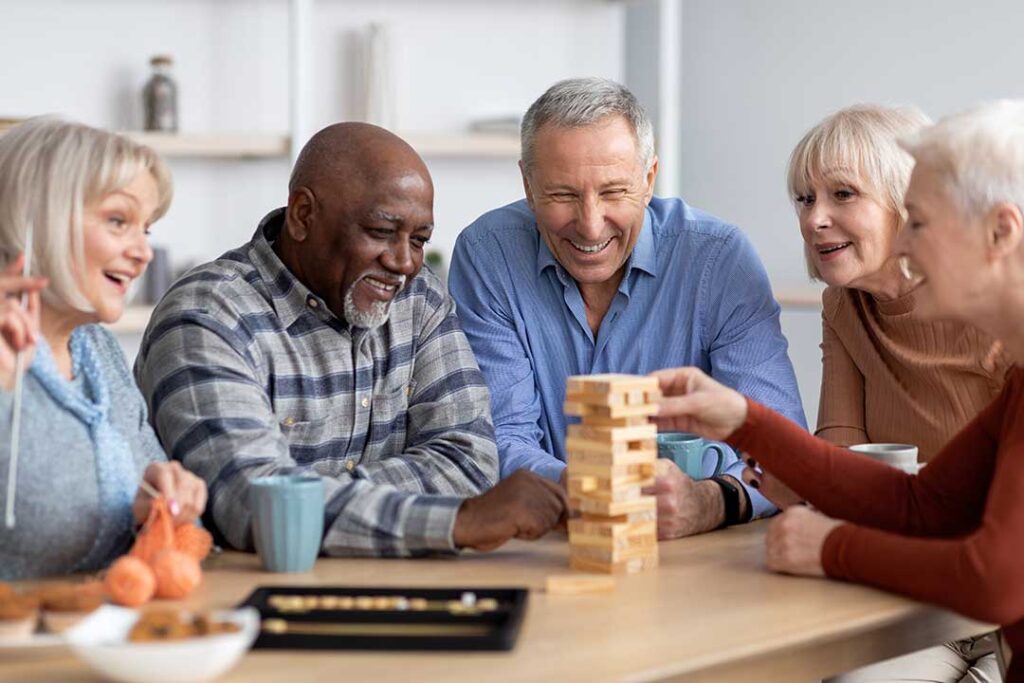
Loneliness remains one of the most pressing challenges for older adults in assisted living communities. While these residences provide safety, medical oversight, and opportunities for engagement, feelings of isolation can still occur—especially in tight-knit towns like Freeland, Pennsylvania, where a sense of community is a way of life. As families and caregivers, understanding and proactively addressing loneliness is essential to supporting seniors’ emotional and physical health.
Understanding Loneliness in Assisted Living
Loneliness is not just about being alone—it’s the subjective feeling of lacking social connection or meaningful relationships. In assisted living settings, these feelings can stem from:
- Adjusting to a new environment after leaving one’s home or neighborhood
- Limited visits from family members or friends, particularly during winter months or periods of poor health
- Challenges connecting with other residents due to memory loss or physical limitations
- Missing familiar faces, places, and routines from Freeland’s close-knit community
Recognizing these triggers is the first step toward creating a more supportive, fulfilling experience for seniors.
Why Loneliness Matters: Health Implications
Loneliness impacts more than mood—it’s linked to significant health risks for seniors:
- Increased risk of depression and anxiety
- Higher rates of cognitive decline and Alzheimer’s disease
- Elevated risk of heart disease and stroke
- Weakened immune response
In Freeland, where families often reside in the same area for generations, a senior’s sense of rootlessness can feel even sharper. Addressing loneliness is crucial for overall well-being.
Local Lifestyle and its Role
Freeland, Pennsylvania, boasts a rich tradition of family ties, community events, and familiar main streets. Seniors who move into an assisted living facility may miss:
- Corner stores and favorite cafés
- Regular church gatherings or holiday parades down Centre Street
- Visits from grandchildren after Little League games
- Familiar faces in local parks or at the Freeland Public Library
Successful assisted living communities in Freeland strive to bridge these gaps, helping seniors remain engaged with familiar routines and traditions.
Practical Strategies for Managing Loneliness
What can families, staff, and residents do to combat loneliness in assisted living? Here are actionable steps:
1. Encouraging Social Engagement
- Organize regular gatherings centered around local traditions, such as polka music nights, bingo, or Freeland’s signature festivals
- Support clubs and activity groups matching residents’ past interests—gardening, faith-based activities, crafting, etc.
- Facilitate easy transportation to local town events, church services, and family visits
2. Personalized Care Plans
- Take time to learn each resident’s history. Did they work in the Anthracite coal mines? Were they active in local sports leagues or PTAs? Integrate these details into their care and recreation plans.
- Tailor activities so quieter residents can still participate, such as small book clubs, one-on-one chats, or time spent outdoors in Freeland’s scenic settings
3. Leveraging Technology for Connection
- Assist residents in making video calls to family and friends—especially important for those with relatives who have moved out of the Hazleton area
- Create opportunities for “virtual visits” with loved ones during adverse weather or ill health
4. Supporting Emotional Wellness
- Provide opportunities for sharing stories and memories—consider inviting guest speakers from Freeland’s historical society or organizing storytelling hours
- Offer access to visiting counselors familiar with aging and loss, or group therapy for residents experiencing grief or transition
5. Volunteer and Intergenerational Programs
- Partner with local high schools, churches, and community groups for student visits, letter-writing campaigns, or intergenerational activities
- Host “adopt-a-grandparent” programs with neighborhood families

Involving the Freeland Community
Assisted living communities thrive when connected with the broader community. In Freeland:
- Local businesses can donate time or resources—think library book drops, flower deliveries from local florists, or performances by community musicians
- Neighborhood churches can offer spiritual support, prayer groups, or holiday services within the facility
- Residents can participate in local charitable drives, knitting blankets or packing care packages for area organizations
How Families Can Support Loved Ones
Though assisted living provides around-the-clock care, families remain essential:
- Visit in-person as often as possible—short, frequent visits can be more meaningful than occasional, extended stays
- Bring reminders of home: favorite foods from Freeland’s bakeries, hometown newspapers, or crafts from local shops
- Encourage participation in facility events and support staff in learning about your loved one’s interests
During harsh Pennsylvania winters, when travel is hard, even phone calls or letters can make a difference. Sometimes, just reminiscing about childhood in Carbon County or telling a story from “the old neighborhood” rekindles valuable connections.
Creating an Environment Where No One Feels Alone
Reducing loneliness is an ongoing process. Assisted living communities in Freeland, Pennsylvania, are uniquely poised to leverage local culture, traditions, and resources to create a sense of belonging. The key ingredients include:
- Open communication between families, staff, and residents
- Activities that celebrate both local history and individual stories
- Regular review of care approaches—what works for one resident may not for another
By weaving together the strengths of Freeland’s community spirit and the best practices in assisted living, we can ensure seniors experience companionship, purpose, and joy—every day.
When to Seek Additional Help
If loneliness persists and begins affecting a loved one’s health, it may be time to:
- Request more frequent emotional check-ins from staff or visiting professionals
- Explore group or individual counseling options
- Involve the primary care physician, especially if appetite, sleep, or energy levels change
Remember, no one should feel truly alone during their golden years—especially in a town as warm and welcoming as Freeland.
Final Thoughts
Loneliness in assisted living is real, but it’s a challenge that can be thoughtfully addressed. By involving family, staff, and the local Freeland community, we can ensure each resident feels valued and engaged. In the end, it’s about rekindling the connections that make every senior feel at home.
